

Homemade mayonnaise takes five minutes, one egg, and an immersion blender and produces a thick, creamy, genuinely superior condiment that makes every sandwich, salad dressing, dipping sauce, and marinade it touches taste better than the store-bought version. One egg at room temperature, lemon juice, vinegar, Dijon mustard, salt, and a cup of olive or avocado oil layered into a tall jar, an immersion blender held still at the bottom for 20 to 30 seconds, and then slowly drawn upward as the emulsion forms and climbs through the jar until every drop of oil is incorporated into something impossibly thick, creamy, and bright.
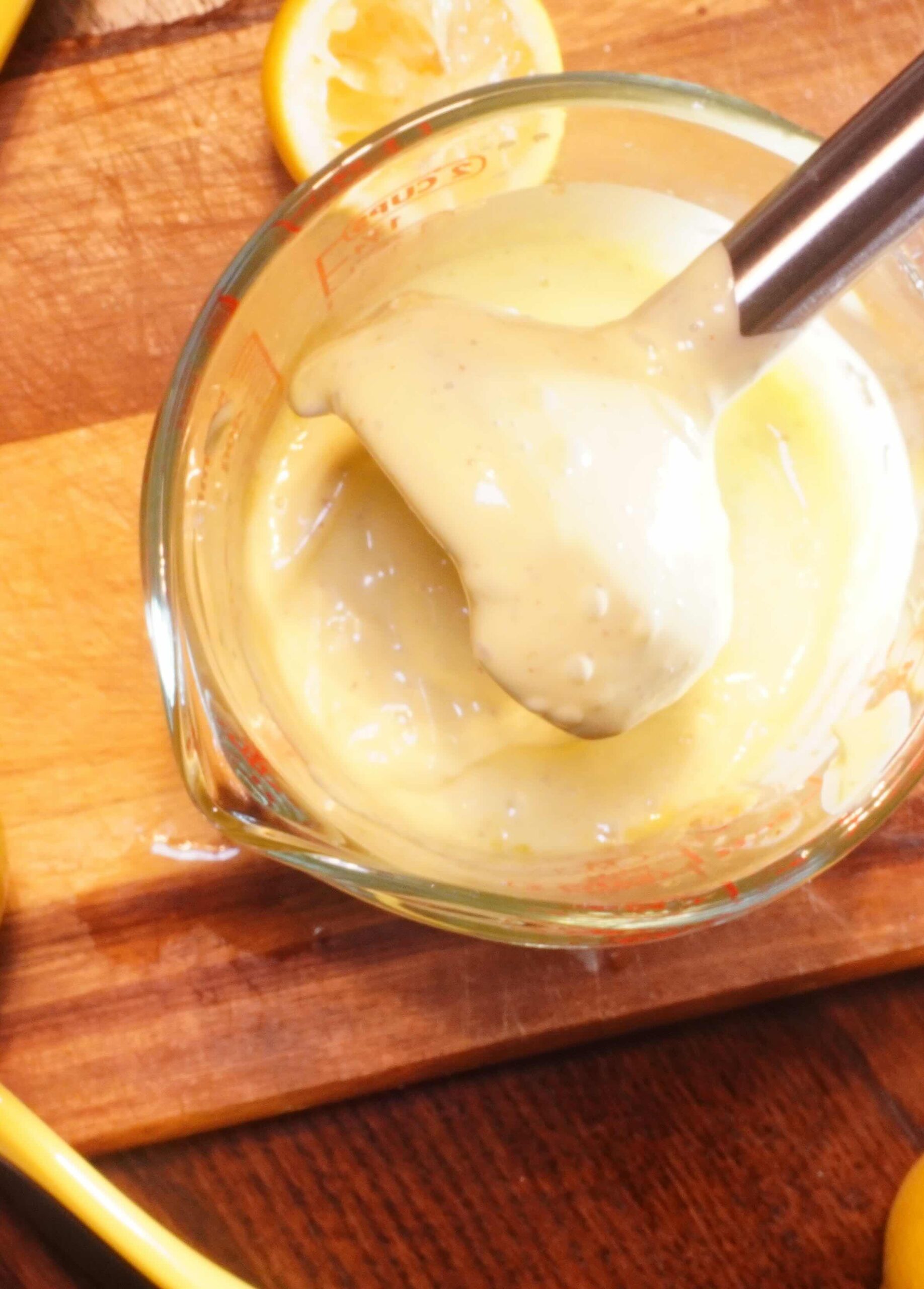
The immersion blender method is the technique that makes homemade mayonnaise genuinely easy rather than a labor-intensive whisking exercise. The blade at the bottom of the jar creates a powerful vortex that pulls the oil into the egg in a controlled, consistent way that produces a stable emulsion every single time with almost zero risk of the mixture breaking. Five minutes, one jar, and a condiment that lasts up to two weeks in the refrigerator.
Ingredients Needed to Make Homemade Mayonnaise
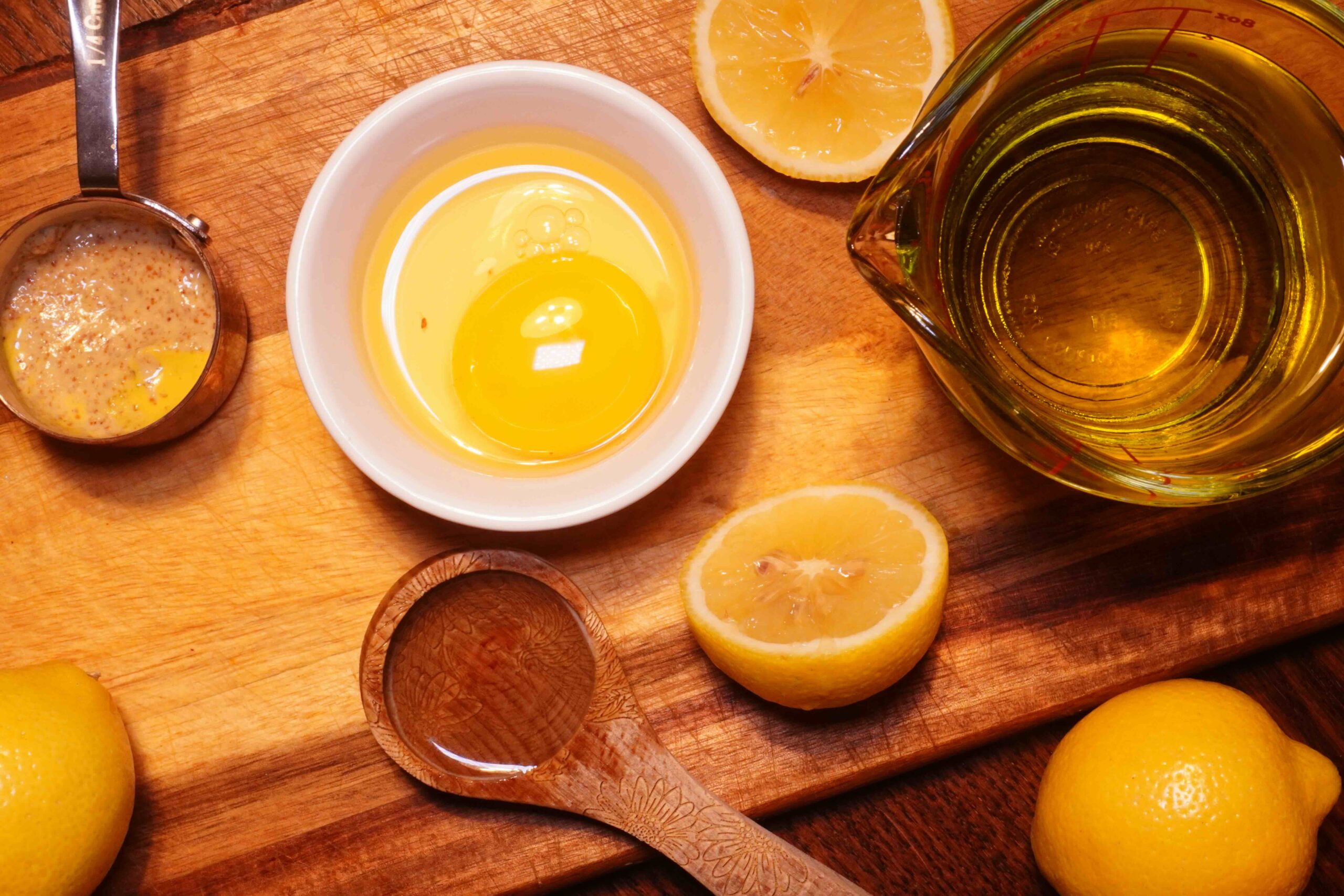
Six ingredients. Here is what each one does.
The Egg
One large whole egg at room temperature is the emulsifier. The egg yolk contains lecithin, a natural emulsifier that binds oil and water-based ingredients together into a stable, creamy mixture. Room temperature is not optional. A cold egg contains cold fat that does not emulsify as readily and is the most common reason homemade mayo fails or stays thin.
The Acid
Fresh lemon juice and vinegar together provide the acidic components that balance the richness of the oil and brighten the overall flavor. The acid also helps stabilize the emulsion and contributes to the characteristic tangy flavor of mayonnaise.
The Dijon Mustard
Dijon mustard adds a sharp, slightly tangy flavor and acts as an additional emulsifier. The compounds in mustard help bind the oil and egg together for a more stable, longer-lasting emulsion.
The Oil
One cup of olive oil or avocado oil is the fat base that produces the body and richness of the mayo. Avocado oil produces a more neutral, clean-flavored mayo that works in any application. Olive oil adds a slightly grassy, peppery flavor that is excellent in Mediterranean-style applications but can be slightly assertive in a plain sandwich spread. A combination of half avocado and half olive oil is an excellent middle ground.
How to Make Homemade Mayonnaise
One jar, one immersion blender, five minutes.
Step 1: Layer the Ingredients
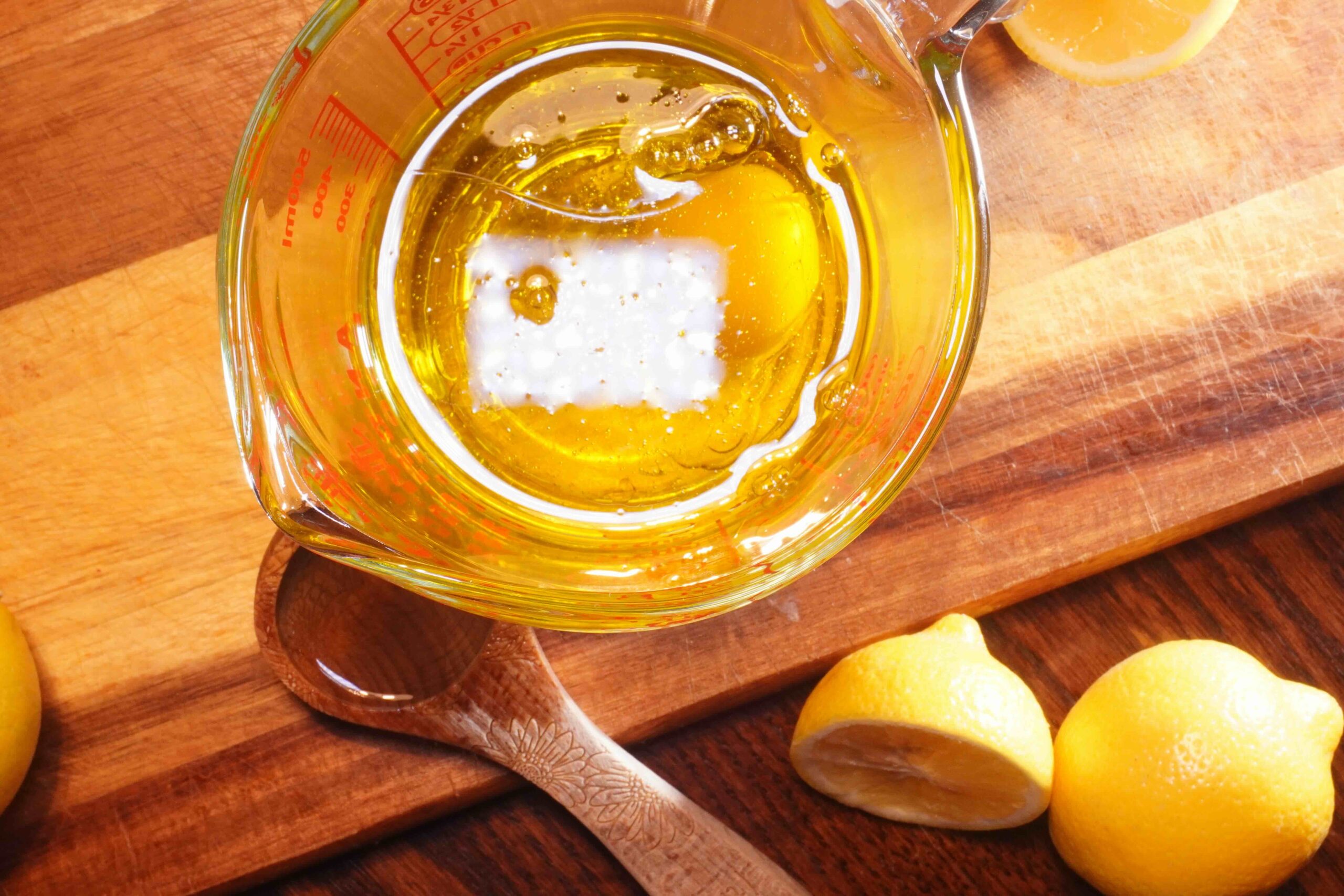
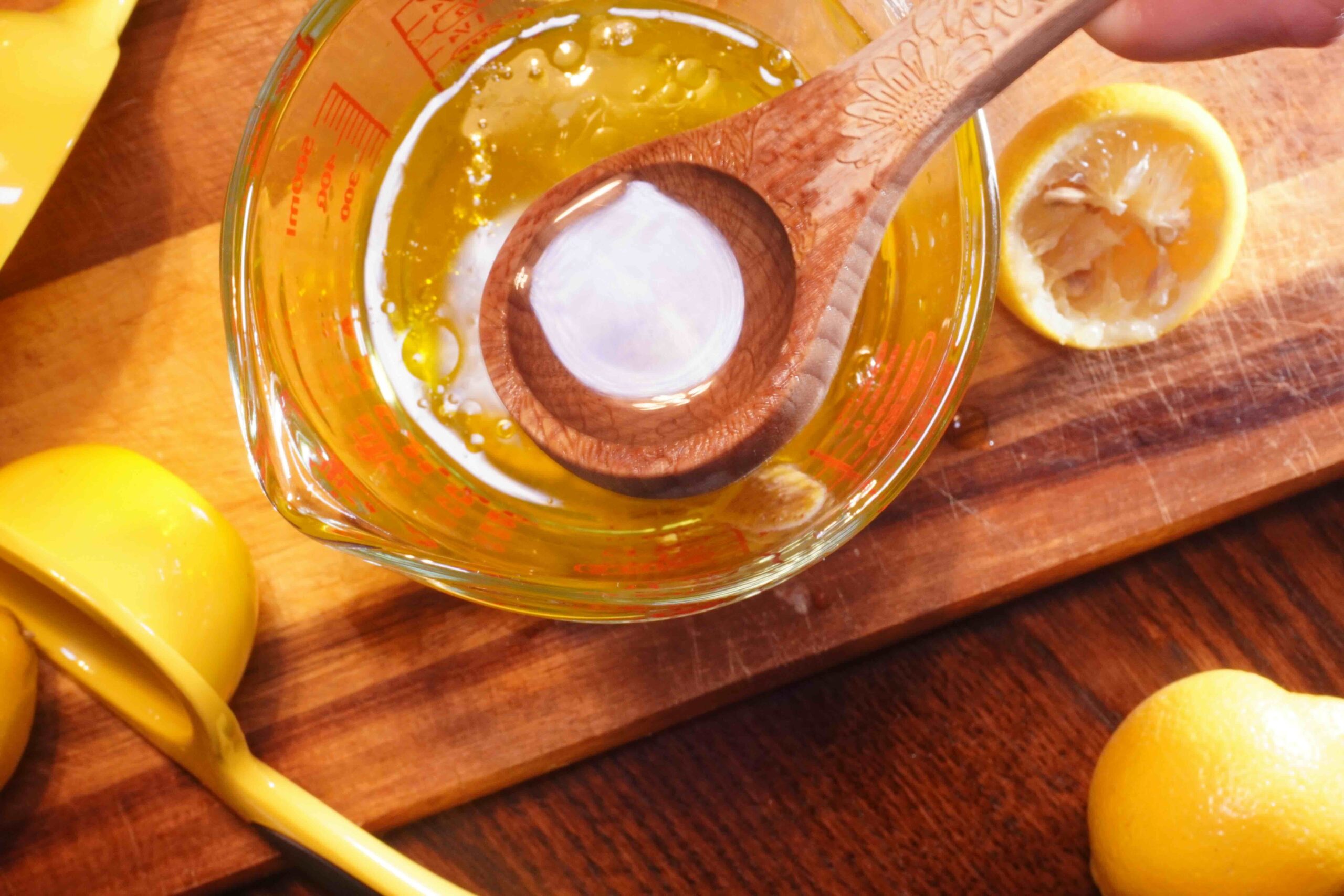
Add the room temperature egg, lemon juice, vinegar, Dijon mustard, and salt to a tall narrow jar or the cup that came with your immersion blender. Pour the oil directly on top. Do not stir or mix at this stage. The layers staying separate before blending is important to how the emulsion forms.
Step 2: Blend from the Bottom
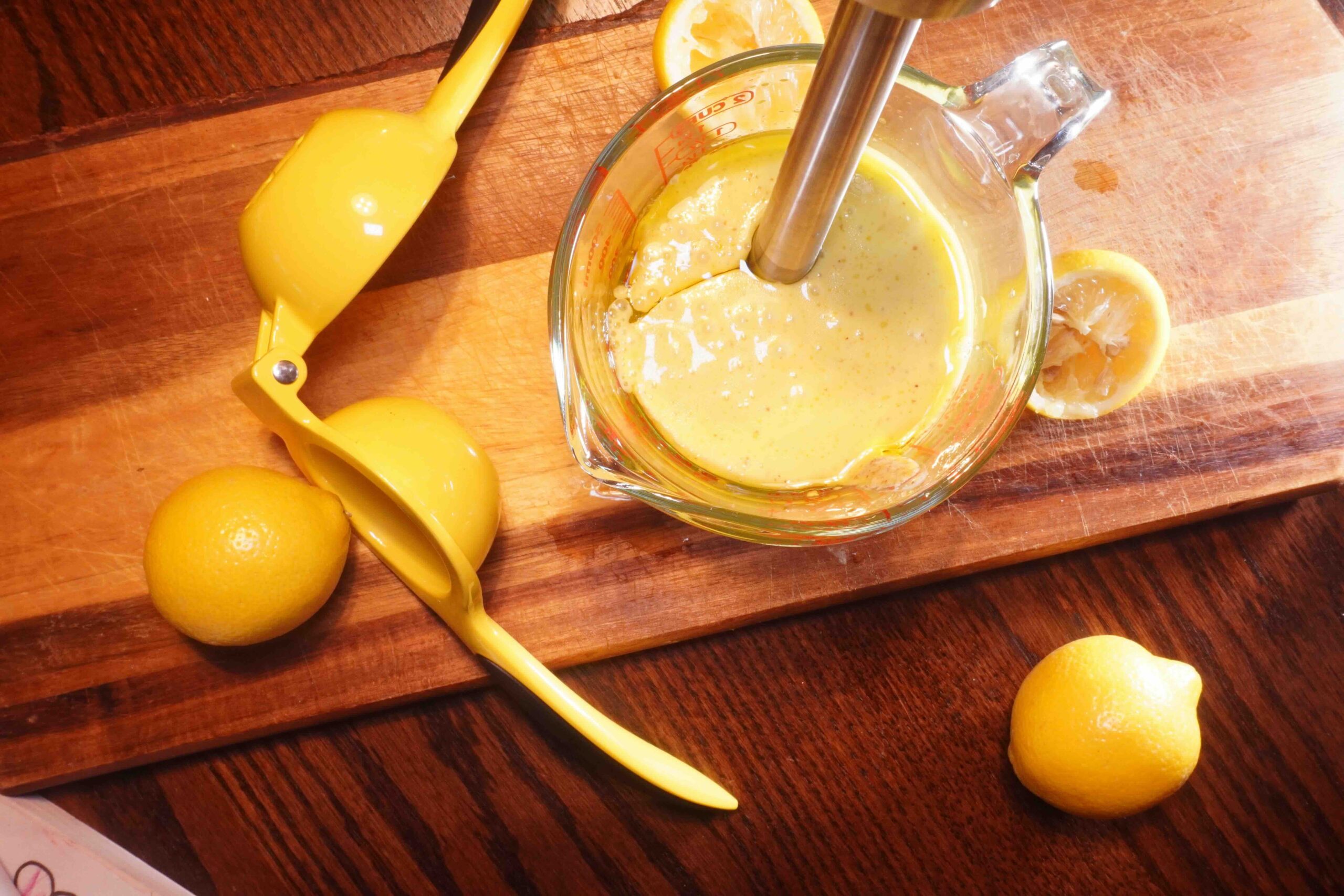
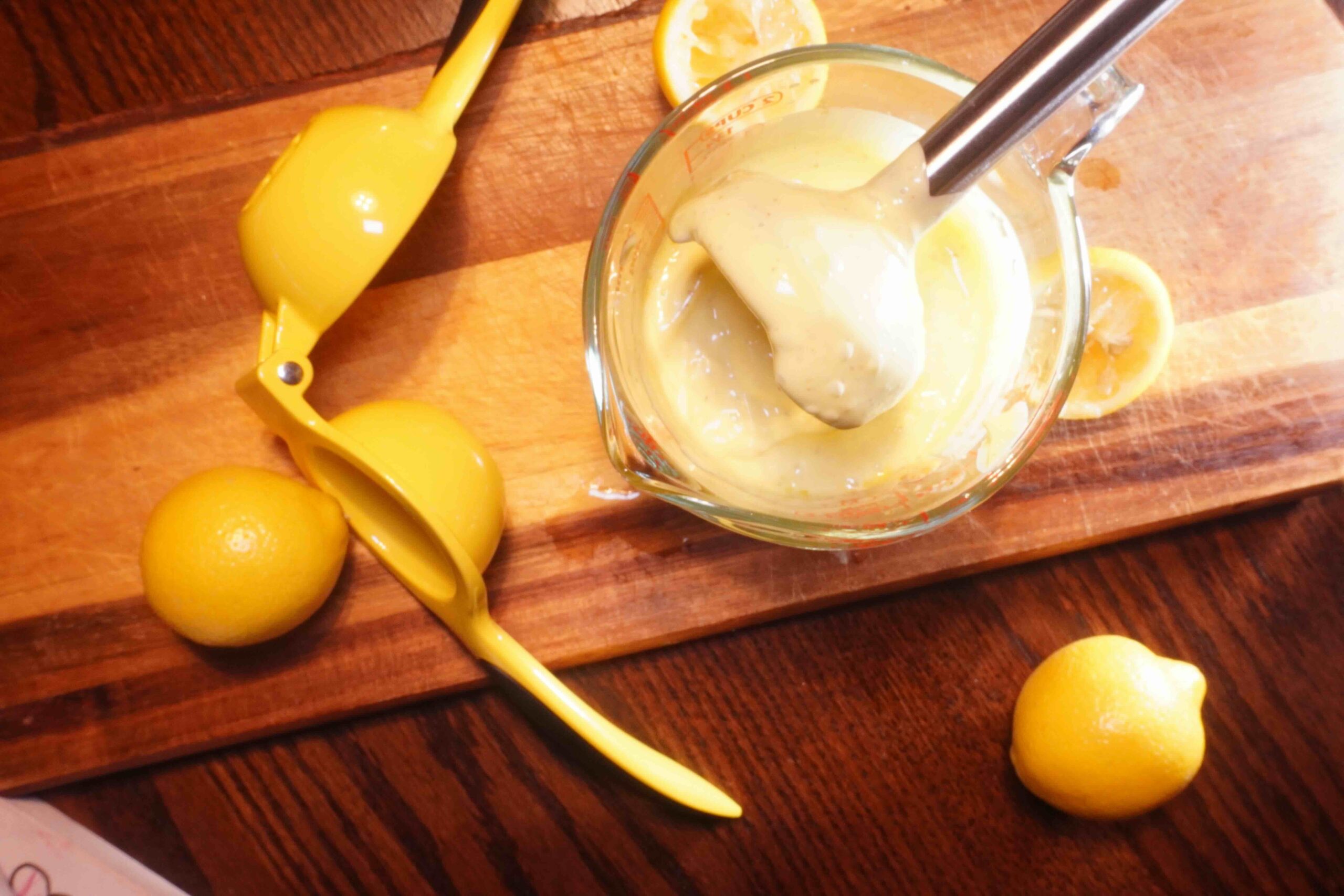
Place the immersion blender all the way at the bottom of the jar, directly over the egg. Turn it on to high speed and hold it completely still against the bottom of the jar. Do not move it. Hold for 20 to 30 seconds until you can see a thick, white, creamy emulsion forming at the bottom of the jar around the blade.
Step 3: Draw Upward
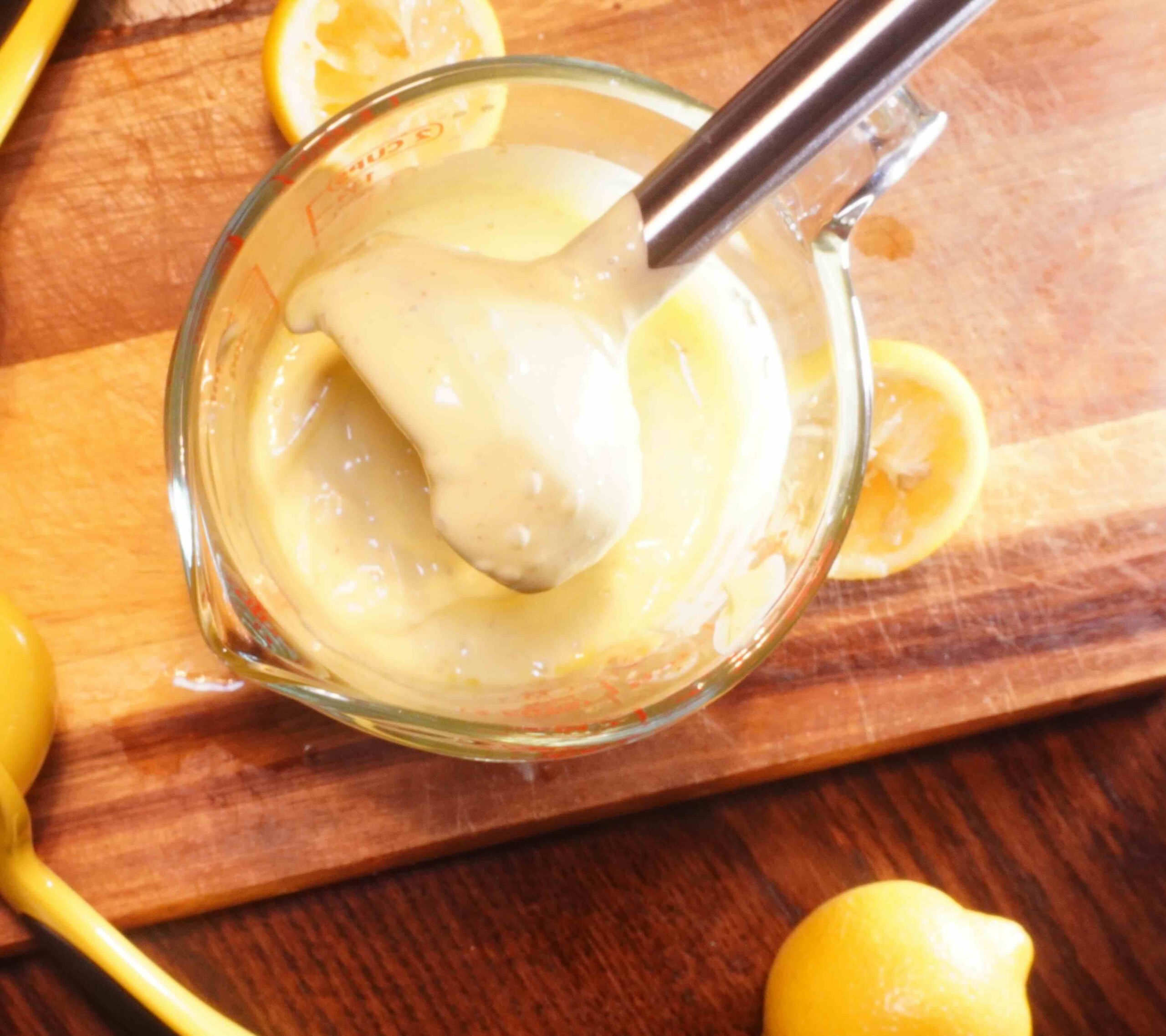
Once the emulsion has formed at the bottom and looks thick and stable, very slowly begin moving the blender upward toward the surface of the oil. Move slowly and steadily so the blade continuously pulls the remaining oil into the emulsion from above rather than dumping it all in at once. By the time the blender reaches the top of the jar the entire contents should be thick, creamy, and fully emulsified.
Step 4: Taste and Store
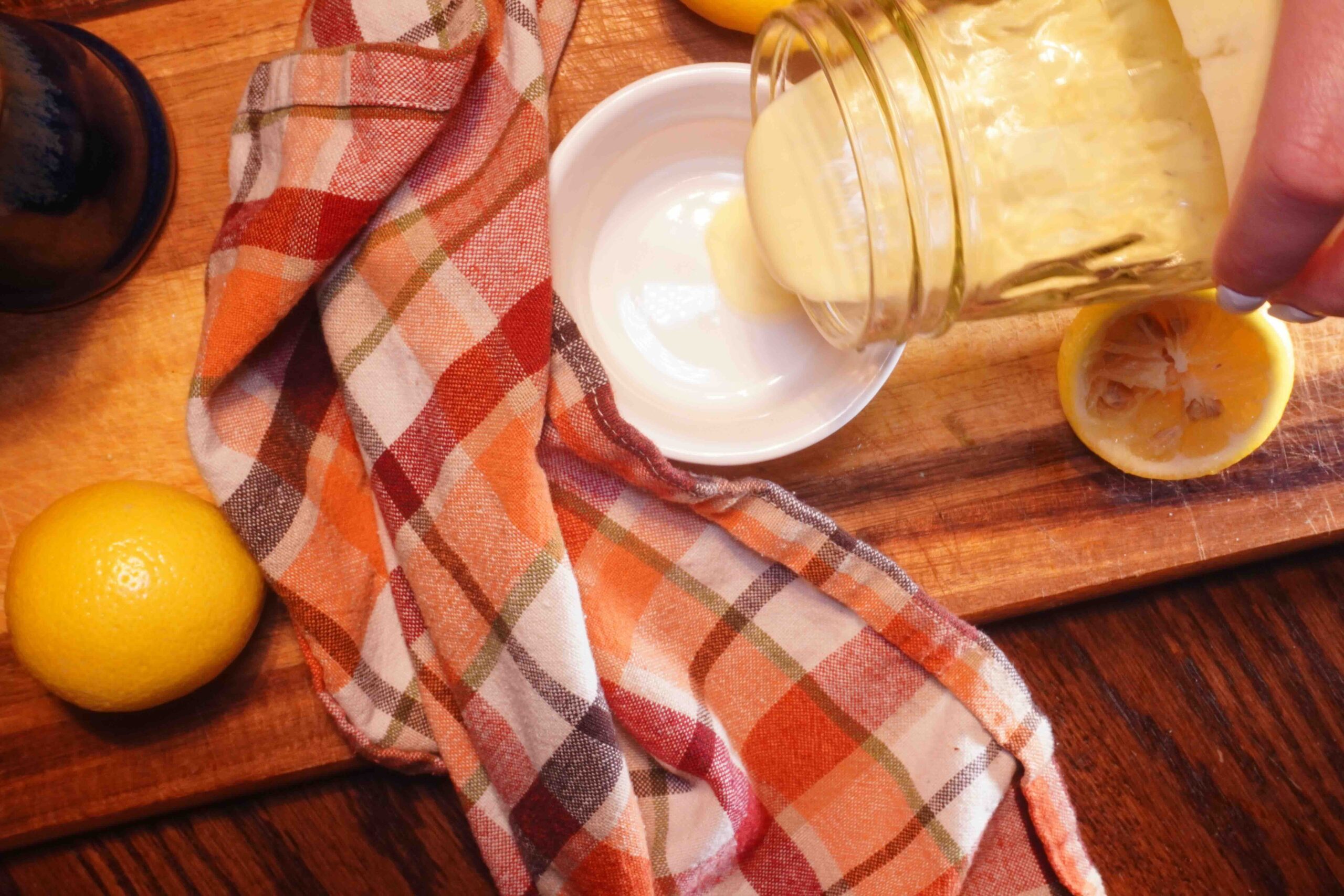
Taste the finished mayo and adjust the salt, lemon juice, or vinegar as needed. Transfer to a sealed glass jar and refrigerate. Use within 2 weeks.
Homemade Mayonnaise
Ingredients
Instructions
- Add the egg, lemon juice, vinegar, Dijon mustard, and salt to a tall narrow jar or the cup of an immersion blender.
- Pour the oil on top. Do not stir.
- Place the immersion blender at the very bottom of the jar directly over the egg yolk. Blend on high without moving the blender for 20 to 30 seconds until the mixture emulsifies and turns thick and white at the bottom.
- Slowly begin lifting the blender upward while continuing to blend, drawing the remaining oil into the emulsion until the entire jar is thick, creamy, and fully combined.
- Taste and adjust salt as needed. Use immediately or transfer to a sealed jar and refrigerate.
Notes
- The egg must be at room temperature. A cold egg is one of the most common reasons homemade mayonnaise fails to emulsify properly.
- Do not move the immersion blender for the first 20 to 30 seconds. Keeping it stationary at the bottom is what starts the emulsion before the rest of the oil is incorporated.
- A tall narrow jar or the immersion blender cup works best. A wide bowl allows the oil to spread too far from the blade and prevents a proper emulsion from forming.
- Avocado oil produces a more neutral flavor. Olive oil adds a slightly grassy, peppery note. Use whichever suits the recipe you are making it for.