

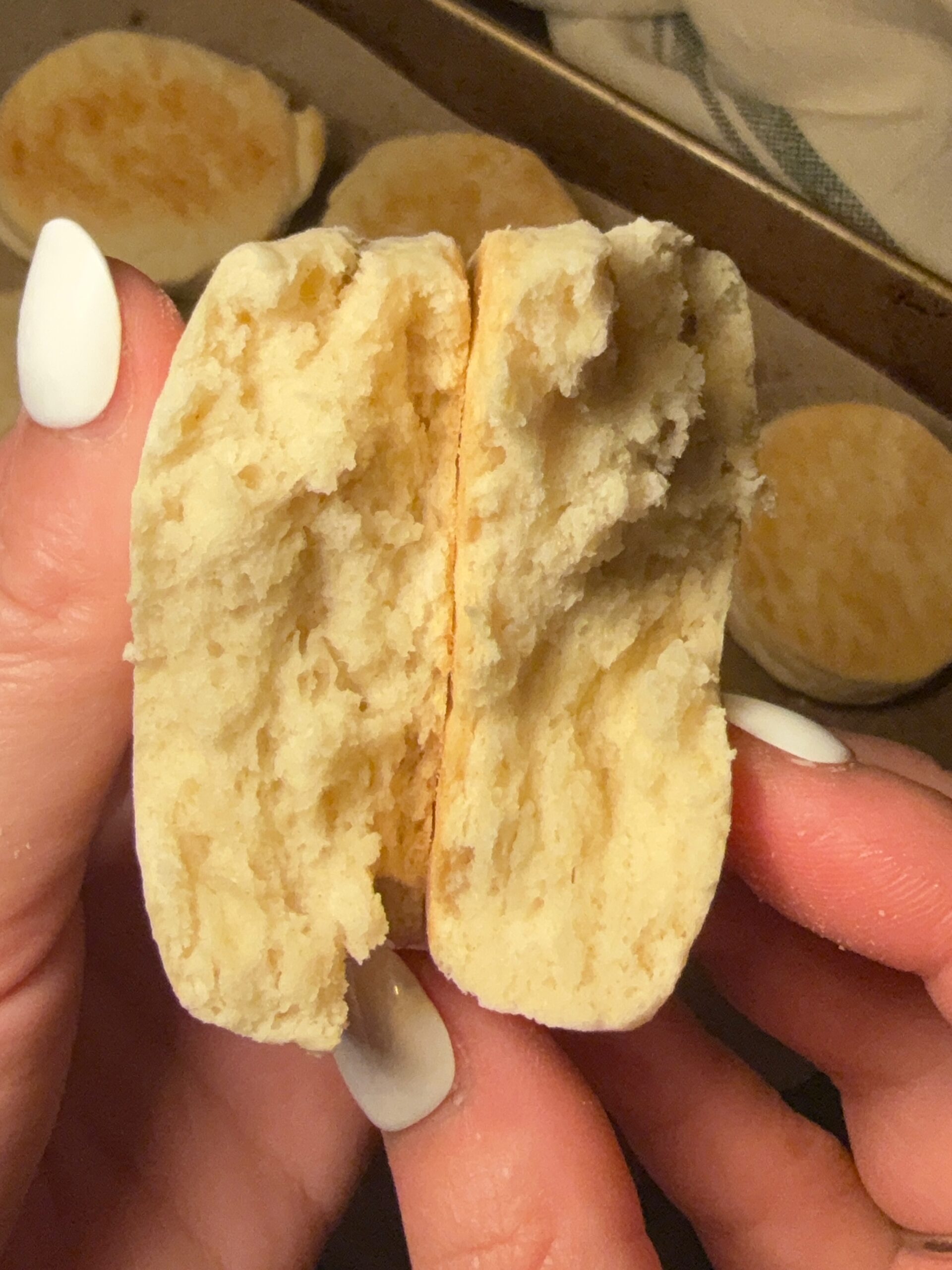
These homemade biscuits are the from-scratch recipe that belongs in every home baker's rotation. Two cups of flour, cold butter worked in until crumbly, milk stirred in just until the dough comes together, a quick knead, a roll, a cut, and thirteen minutes in a 425°F oven. What comes out is a tall, golden, buttery biscuit with a slightly crispy exterior and a soft, tender, fluffy interior that store-bought biscuits have never come close to replicating. Serve warm from the oven with butter, honey, jam, or alongside any dinner that deserves something genuinely good on the side.
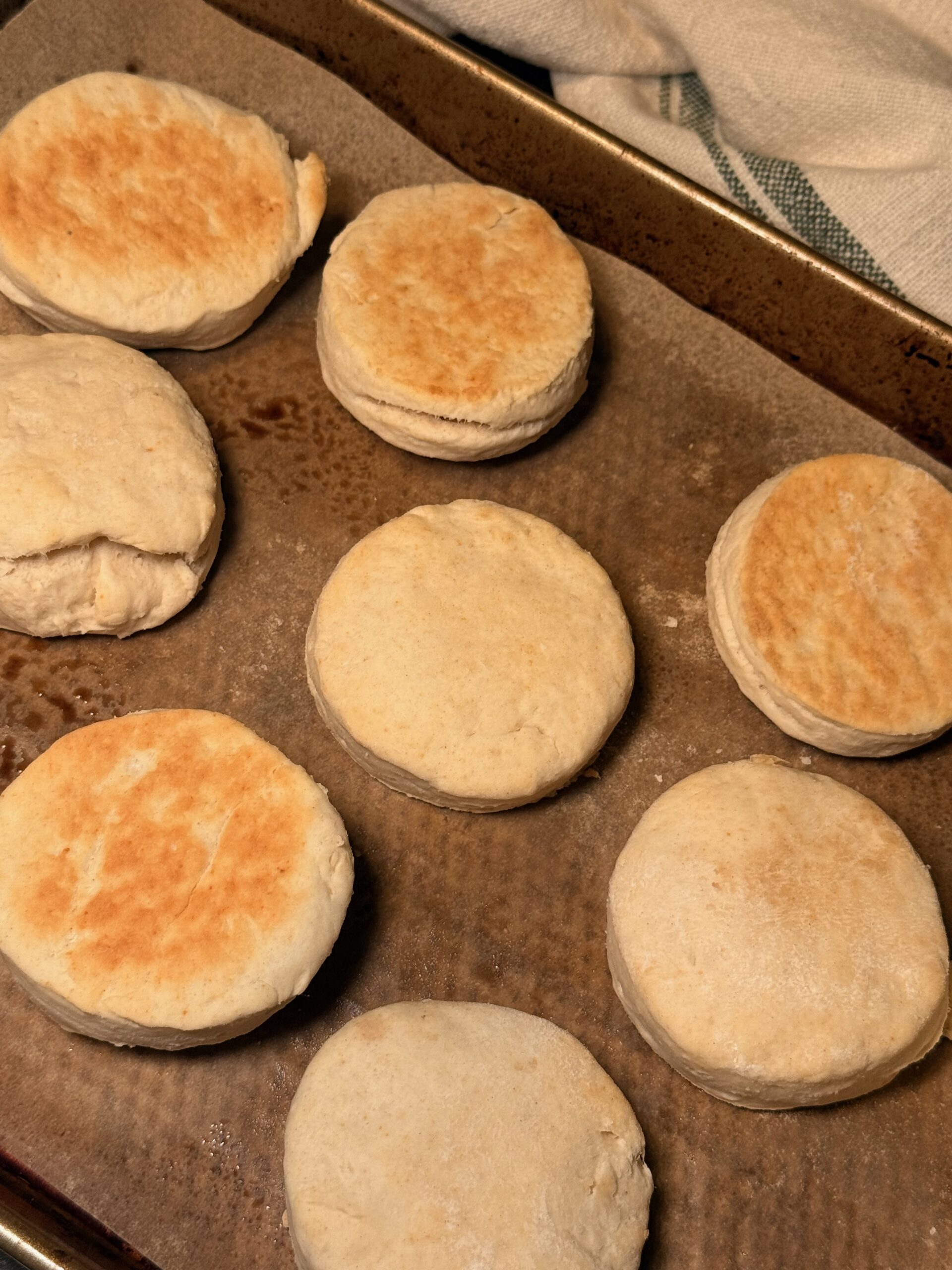
The cold butter is the one non-negotiable detail in a great homemade biscuit. When small, cold pieces of butter are worked into the flour they coat the flour proteins and create distinct pockets throughout the dough. As the biscuits bake those butter pockets melt and create steam that pushes the dough upward into the tall, flaky, layered rise that defines a properly made biscuit. Room temperature or melted butter produces a denser, less layered result regardless of every other step being done correctly.
Why You'll Love This Recipe
Twenty-three minutes from dry ingredients to warm biscuits on the table. This is a genuinely fast homemade bread recipe that delivers a result far beyond the time investment.
Cold butter worked into flour is the foundational technique that produces tall, flaky, buttery biscuits. It sounds fancier than it is and takes about two minutes with your fingers.
The recipe uses pantry staples that most households already have on hand. No specialty flour, no buttermilk, and nothing that requires a special trip to the store.
These biscuits are endlessly versatile. Serve them with butter and honey for breakfast, alongside soups and stews for dinner, or split and filled with any savory or sweet filling.
Ingredients Needed to Make Homemade Biscuits
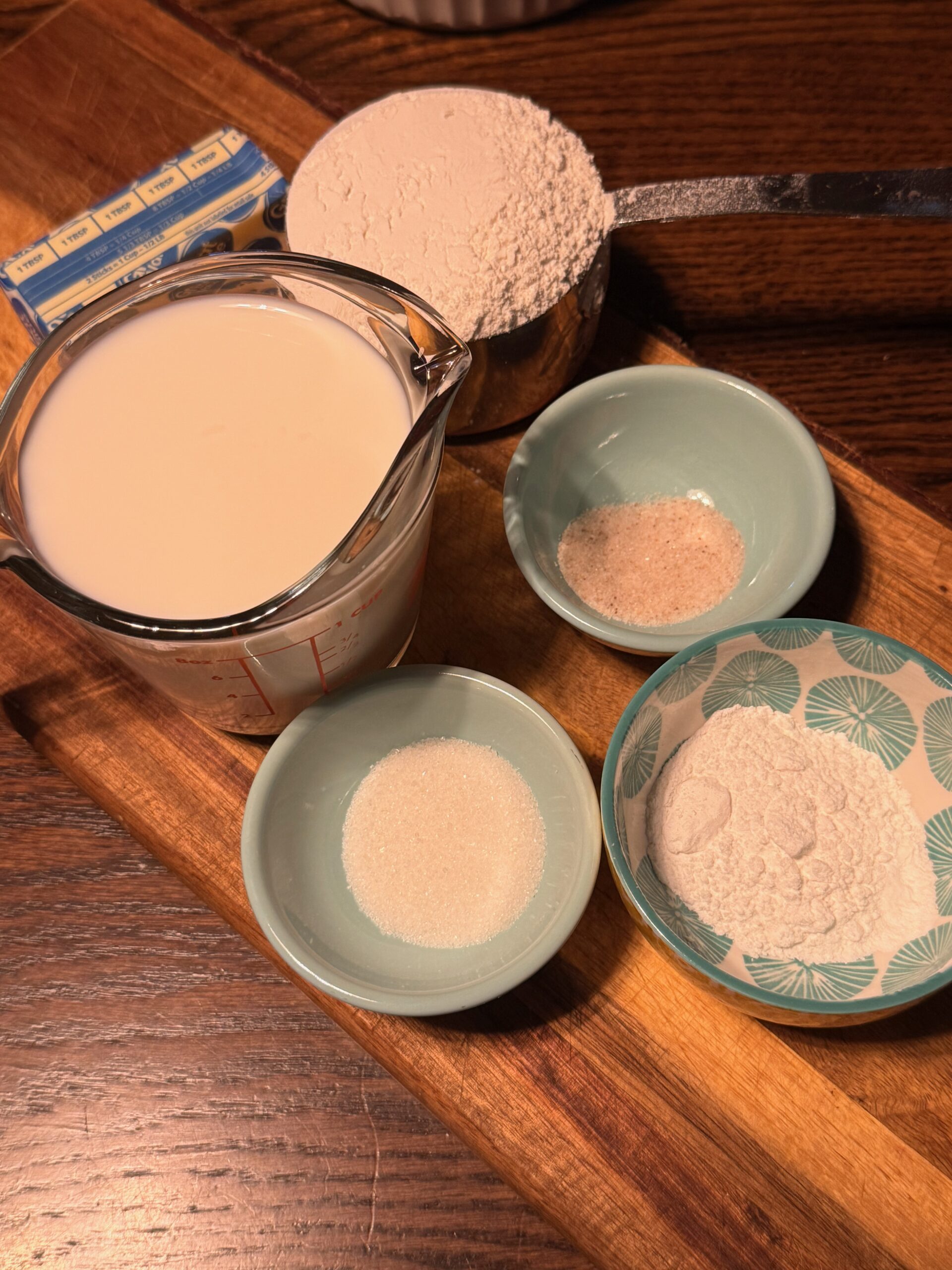
Six pantry staples. Here is what you need.
The Dry Ingredients
All-purpose flour provides the structure. Baking powder is the leavening that makes the biscuits rise tall and fluffy. Salt seasons throughout. A tablespoon of sugar adds a subtle sweetness that balances the butter and enhances the golden color of the crust.
The Fat and Liquid
Cold unsalted butter worked into the flour in small pieces creates the flaky, layered texture that defines a great homemade biscuit. Milk is the liquid that hydrates the flour and activates the baking powder. Whole milk produces the richest result but any milk works.
How to Make Homemade Biscuits
One bowl, one baking sheet, 23 minutes.
Step 1: Mix the Dry Ingredients
Preheat the oven to 425°F. Line a baking sheet with parchment paper. In a large bowl, whisk together the flour, baking powder, salt, and sugar until completely combined and evenly distributed.
Step 2: Work in the Butter
Cut the cold butter into small cubes. Add the butter cubes to the flour mixture. Using your fingertips, a pastry cutter, or two forks, work the butter into the flour by pressing and breaking the butter pieces until the mixture resembles coarse, irregular crumbs with some pea-sized butter pieces still visible. Those visible butter pieces are what create the flaky layers. Work quickly to keep the butter cold.
Step 3: Add the Milk
Pour the milk over the butter and flour mixture. Stir with a fork or rubber spatula just until the dough comes together into a shaggy, slightly sticky mass with no large dry patches remaining. Stop stirring as soon as it comes together. Overmixing from this point produces tough biscuits.
Step 4: Knead and Roll
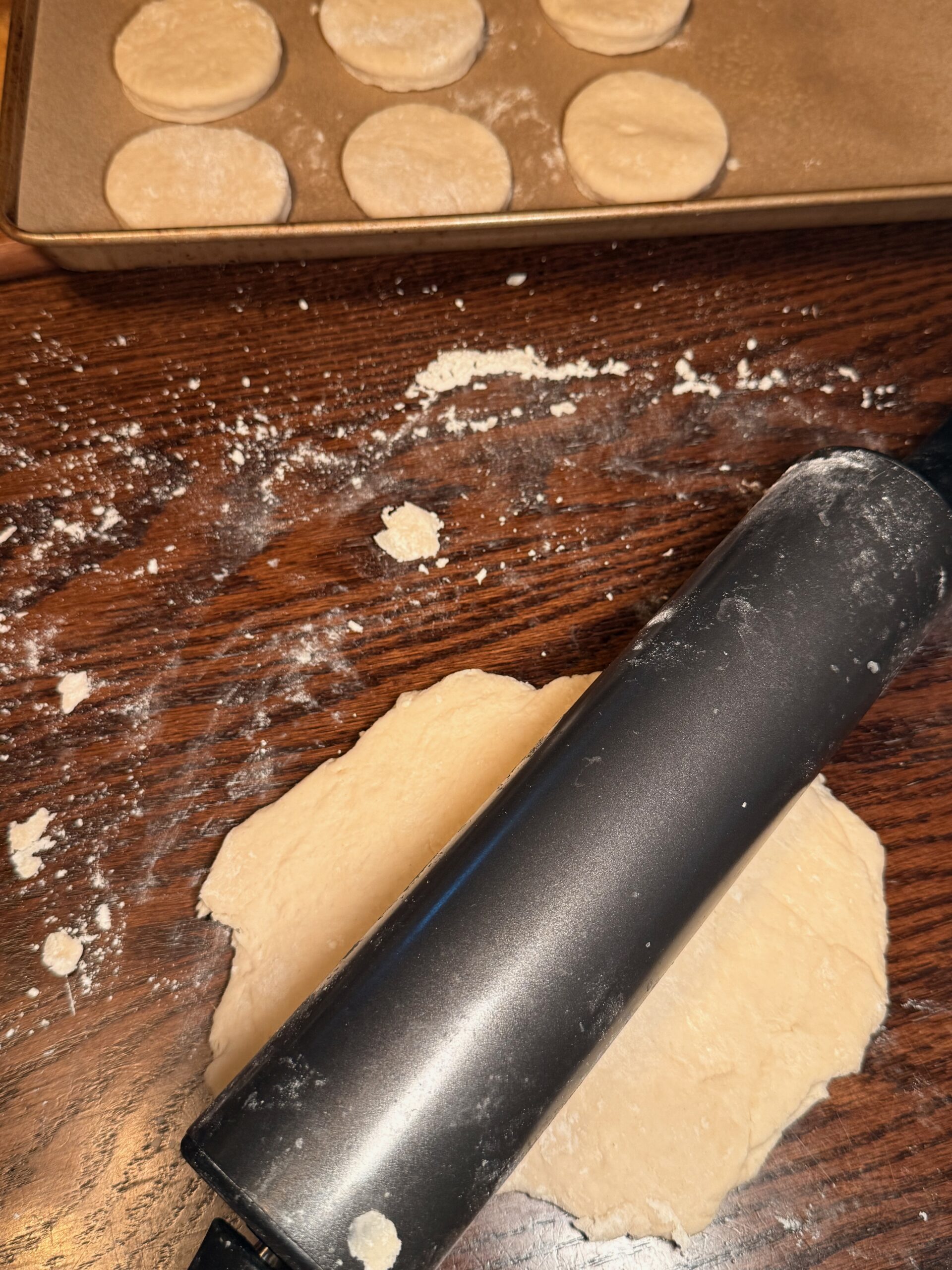
Turn the dough out onto a lightly floured surface. Gently knead 3 to 4 times just until the dough is cohesive and smooth. Pat or roll to about ¾ inch thickness. Do not roll too thin since biscuit dough rises to roughly double its pre-bake thickness.
Step 5: Cut and Bake
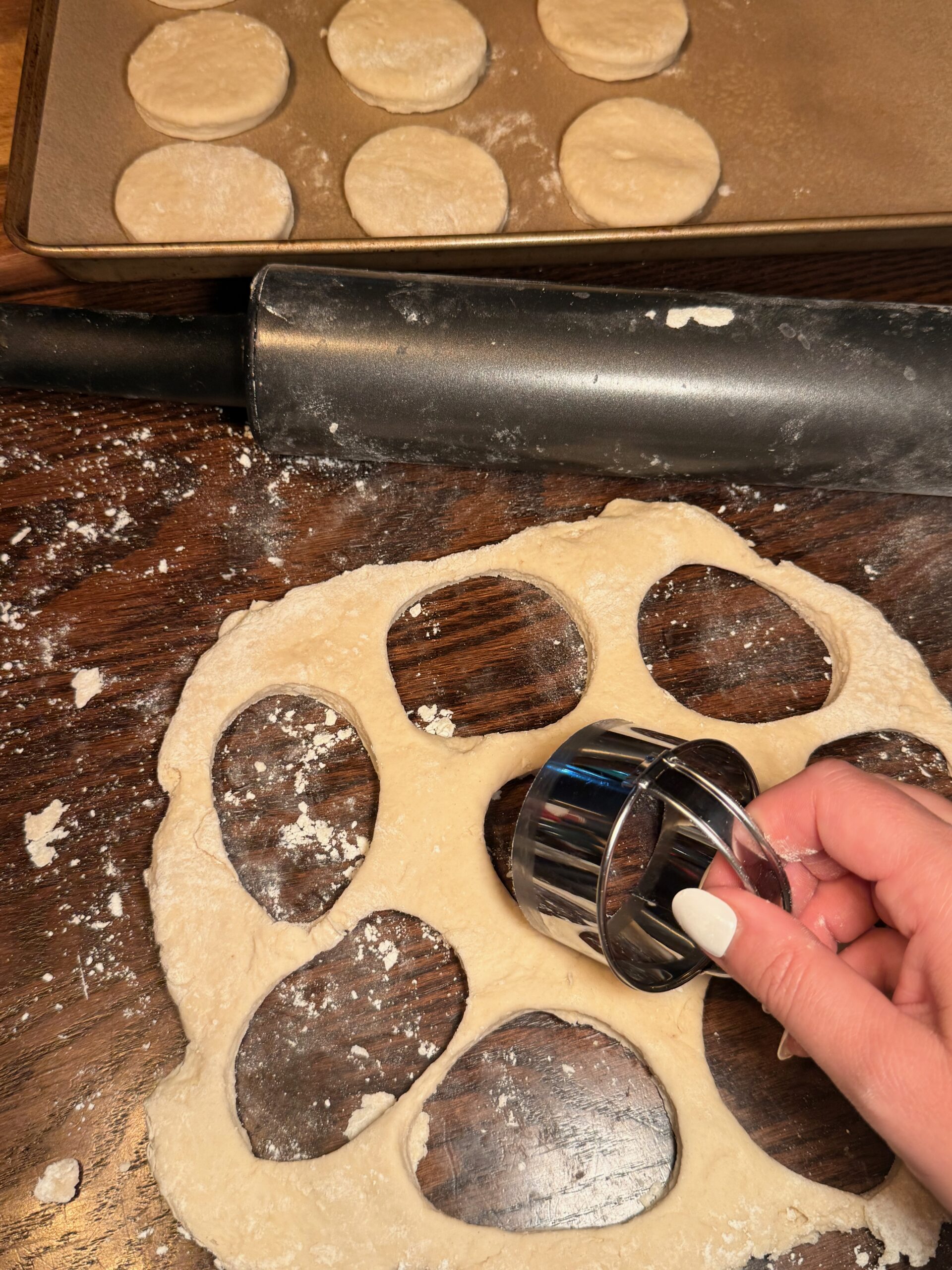
Press a round biscuit cutter or the rim of a glass straight down through the dough without twisting. Twisting seals the edges and prevents proper rising. Place the cut biscuits on the prepared baking sheet. Gather the scraps, gently press back together, and cut additional biscuits. Bake at 425°F for 13 minutes until the tops are deeply golden brown and the biscuits have risen tall.
Storing and Reheating
Store cooled biscuits in a sealed airtight container or zip-lock bag at room temperature for up to 2 days. Reheat in a 325°F oven for 5 minutes or in the microwave for 20 to 30 seconds. For longer storage, freeze baked biscuits in a zip-lock freezer bag for up to 3 months. Reheat from frozen in a 350°F oven for 10 to 12 minutes.
How to Serve Homemade Biscuits
Serve warm straight from the oven split open with a pat of butter melting into the center. Honey drizzled over the top, strawberry jam, or apple butter are all excellent accompaniments for a breakfast or brunch setting. For dinner, serve alongside the South Carolina Veg-All Casserole for scooping up the creamy filling, or alongside the Slow Cooker Cubed Steak and Gravy for soaking up the rich gravy. I love keeping a batch of these in the freezer so there is always a homemade biscuit ready to go alongside any dinner that calls for it.
Frequently Asked Questions About Homemade Biscuits
Why does the butter need to be cold?
Cold butter is the single most important factor in a tall, flaky, layered biscuit. When cold butter pieces are distributed throughout the flour they remain as distinct, solid pieces rather than blending completely into the dough. When those butter pieces hit the hot oven they melt rapidly and release steam, which pushes the surrounding dough upward and creates the flaky, layered pockets that define a properly made biscuit. Warm or melted butter absorbs completely into the flour before baking and produces a denser, more bread-like result with no flaky layers.
Why should I not twist the biscuit cutter?
When a biscuit cutter is pressed into the dough and then twisted as it is pulled back out, the twisting motion compresses and seals the cut edges of the dough. Sealed edges cannot rise freely during baking since the trapped dough cannot expand upward past the sealed perimeter. Pressing straight down and pulling straight up keeps the edges open and allows the biscuit to rise to its full height. The difference is visible and meaningful in the finished biscuit.
Why not overwork the dough?
Biscuit dough contains gluten from the flour that develops and strengthens with mixing and kneading. A small amount of gluten development is necessary to hold the dough together but too much produces tight, elastic dough that bakes into tough, dense, flat biscuits rather than tender, fluffy ones. Stirring just until the dough comes together and kneading only 3 to 4 times keeps the gluten development minimal and produces the tender crumb that makes a great biscuit.
Can I use buttermilk instead of regular milk?
Yes and buttermilk is actually an excellent upgrade. Buttermilk's acidity reacts with the baking powder to produce slightly more lift and a more complex, slightly tangy flavor throughout the biscuit. Use the same amount, 1 cup, in place of the regular milk. If you do not have buttermilk, add 1 tablespoon of white vinegar or lemon juice to 1 cup of regular milk, stir, and let sit for 5 minutes to produce a quick homemade buttermilk substitute.
Homemade Biscuits
Ingredients
Instructions
- Preheat the oven to 425°F. Line a baking sheet with parchment paper.
- In a large bowl, whisk together the flour, baking powder, salt, and sugar until combined.
- Add the cold cubed butter to the dry ingredients. Use your fingers or a pastry cutter to work the butter into the flour until the mixture resembles coarse crumbs with some pea-sized pieces of butter remaining.
- Pour in the milk and stir just until the dough comes together. Do not overmix.
- Turn the dough out onto a lightly floured surface. Knead gently 3 to 4 times just until the dough is smooth. Pat or roll to about ¾ inch thickness.
- Using a round biscuit cutter or the rim of a glass, cut out biscuits and place them on the prepared baking sheet with the sides touching slightly for soft-sided biscuits or spaced apart for crispier edges.
- Bake at 425°F for 13 minutes until the tops are golden brown.
- Serve warm.
Notes
- Keep the butter cold. Cold butter is what creates the flaky layers in a homemade biscuit. If the butter warms up and melts into the flour before baking the biscuits will be dense rather than flaky and layered.
- Do not overwork the dough. Knead only 3 to 4 times just until the dough holds together. Overworking develops the gluten and produces tough, flat biscuits rather than tall, tender ones.
- Press the biscuit cutter straight down without twisting. Twisting seals the edges and prevents the biscuits from rising properly.
- Place the biscuits close together on the pan for softer sides or spaced apart for crispier edges throughout.